Ku Waszej Pamieci Zolnierze Wykleci

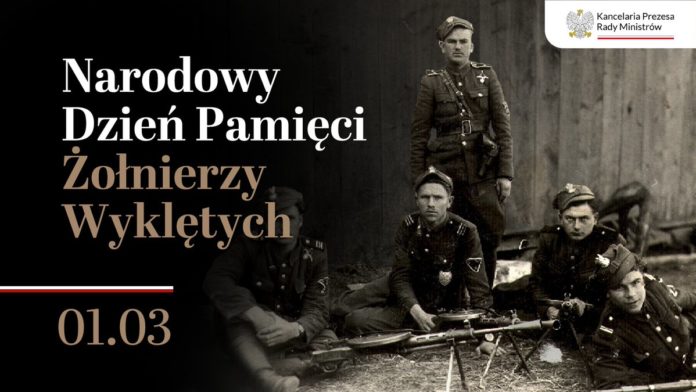
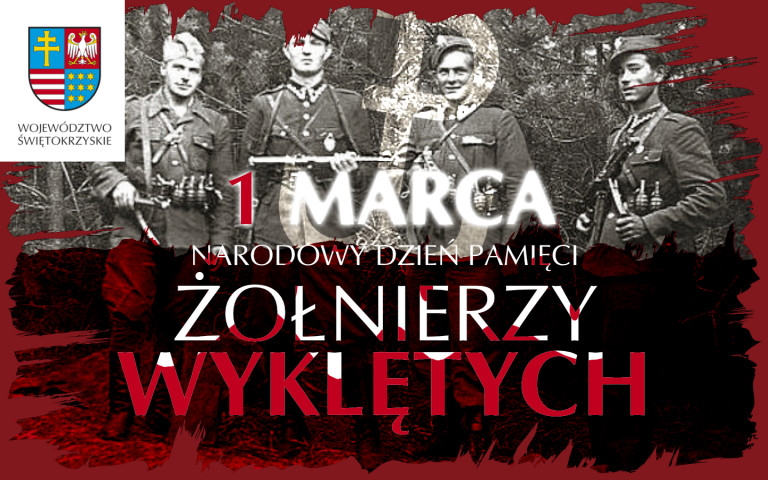
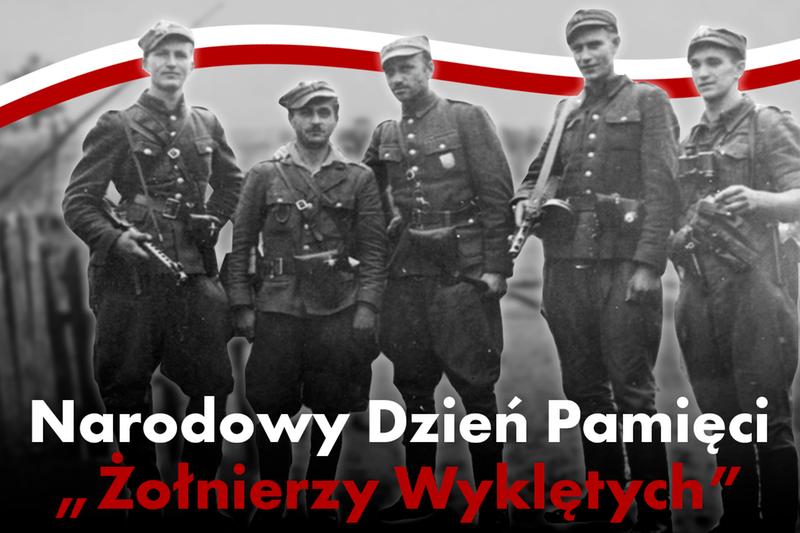
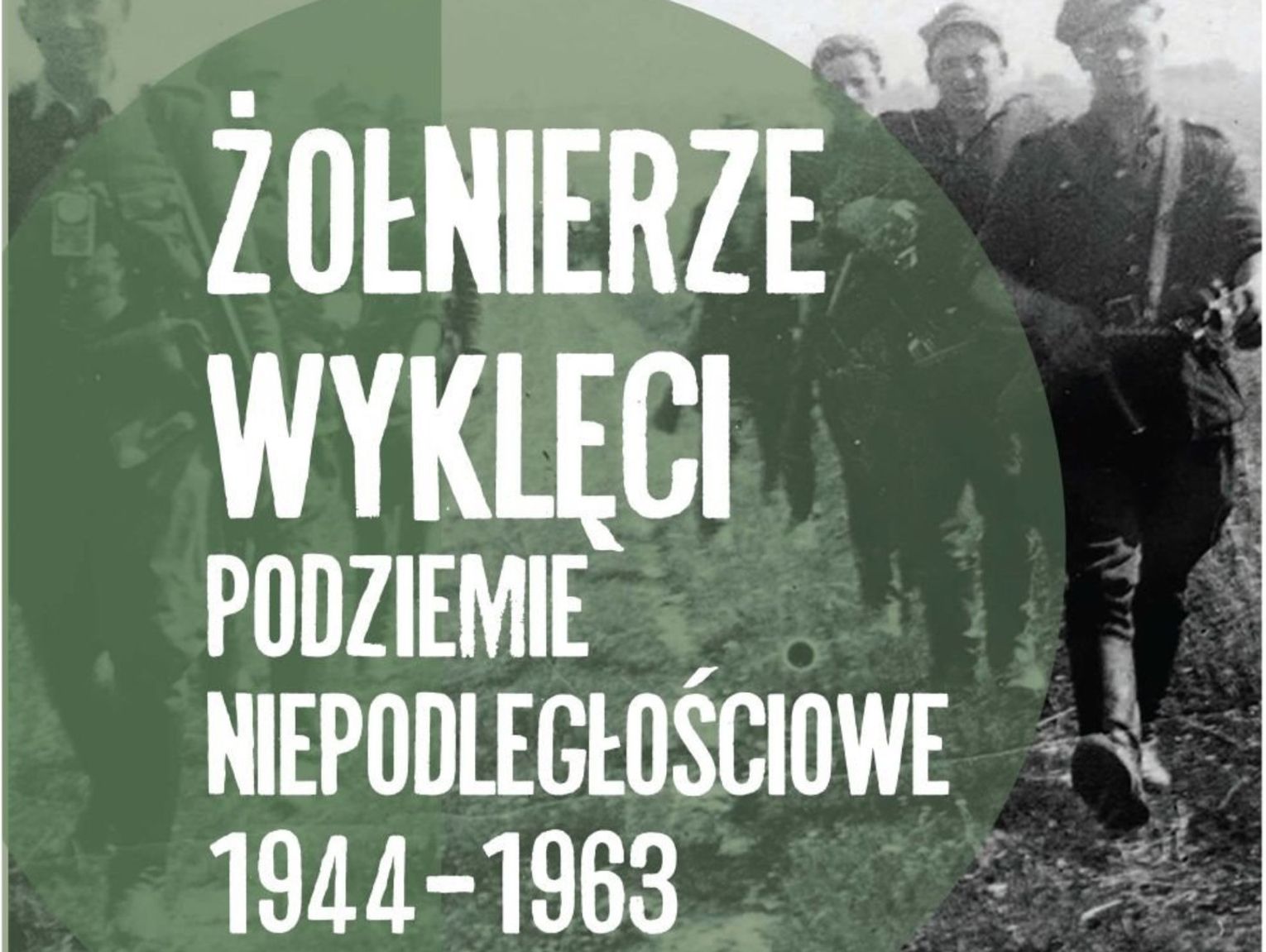
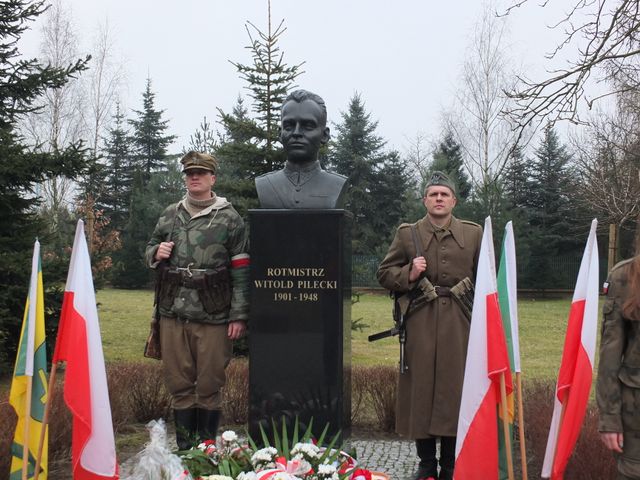
Ku Waszej Pamięci Żołnierze Wyklęci translates to "In Memory of the Cursed Soldiers" or "To the Memory of the Accursed Soldiers." It refers to Polish anti-communist resistance fighters who continued to fight against the Soviet regime and its imposed communist government in Poland after World War II. Understanding who they were and why they fought is crucial to understanding a complex part of Polish history.
The main idea is that these soldiers, often veterans of the Polish Home Army (Armia Krajowa or AK) and other wartime resistance groups, refused to lay down their arms after the official end of the war. They saw the new communist government as an illegitimate occupier, a puppet regime controlled by Moscow. They believed they were continuing the fight for a truly independent Poland. Think of it as fighting for the same ideals they fought for during the war, but against a new enemy.
Their motivations were varied. Some were driven by patriotism and a deep distrust of the Soviet Union. Others had personally suffered under the communist regime, perhaps having family members imprisoned or killed. Still others were simply unwilling to accept the new order imposed upon them. A classic example is Józef Franczak "Lalek," who remained in hiding and resistance until he was killed in 1963, making him one of the last of the "Cursed Soldiers."
Must Read
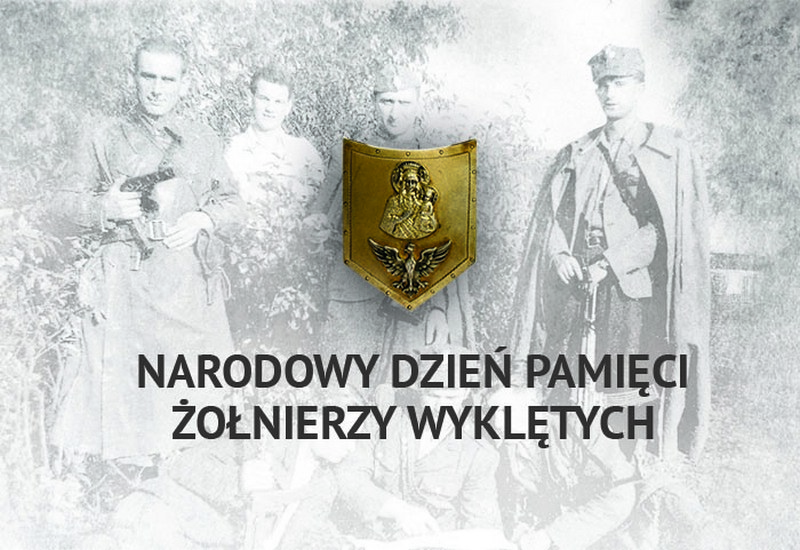
For decades, the "Cursed Soldiers" were demonized by the communist regime and largely erased from official history. After the fall of communism in 1989, there has been a growing movement to rehabilitate their image and recognize their sacrifice. Today, March 1st is celebrated as National Cursed Soldiers Remembrance Day in Poland.
How can you relate to this? You can learn more about specific soldiers and their stories. Visit memorials or museums dedicated to their memory. Research the historical context and the political climate of post-war Poland. Most importantly, consider the complexities of historical narratives and the importance of understanding different perspectives. Recognizing the "Cursed Soldiers" acknowledges a vital, if painful, chapter in Poland's struggle for freedom and self-determination. It is a reminder that the fight for liberty is often a long and difficult one.