
Sprawdzian Kl.6 Present Simple I Present Countinouous

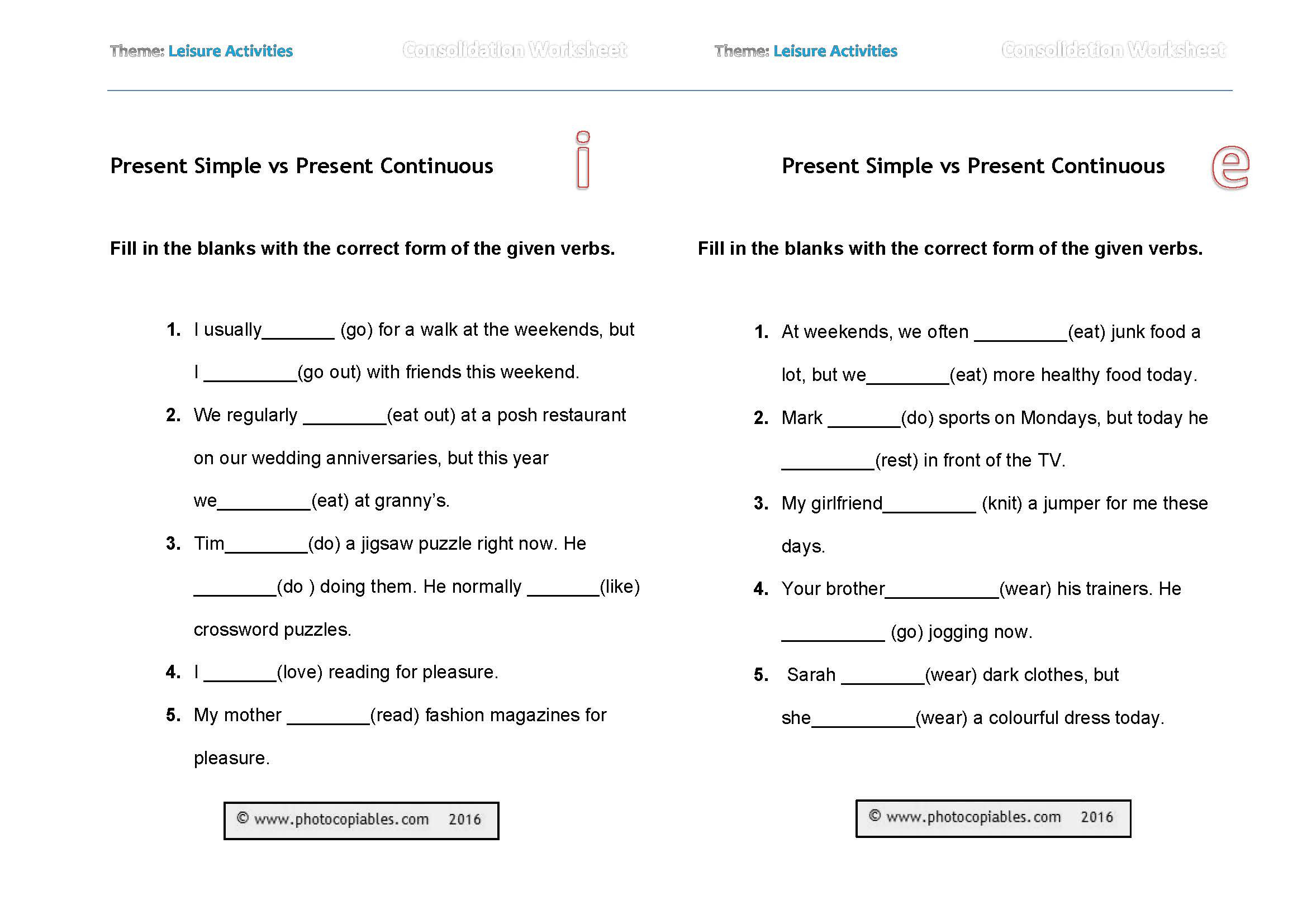
Witajcie! Dzisiaj zajmiemy się Present Simple i Present Continuous, dwoma bardzo ważnymi czasami w języku angielskim, które często pojawiają się na Sprawdzianie Kl.6.
Present Simple - Czas Teraźniejszy Prosty
Definicja: Present Simple opisuje czynności, które wykonujemy regularnie, nawyki, fakty i ogólne prawdy.
Kluczowe słowa: Zwykle używamy go z przysłówkami częstotliwości, takimi jak: always (zawsze), usually (zwykle), often (często), sometimes (czasami), rarely (rzadko), never (nigdy).
Must Read
Budowa zdania:
- Twierdzenie: I/You/We/They + czasownik (w formie podstawowej). He/She/It + czasownik + -s/-es.
- Przykład: I play football every day. She plays the piano beautifully.
- Pytanie: Do I/you/we/they + czasownik? Does he/she/it + czasownik?
- Przykład: Do you like pizza? Does he speak English?
- Przeczenie: I/You/We/They + don't + czasownik. He/She/It + doesn't + czasownik.
- Przykład: I don't like broccoli. She doesn't watch TV in the morning.
Użycie:

- Nawyki: I brush my teeth twice a day.
- Fakty: The sun rises in the east.
- Rozkłady jazdy/plany: The train leaves at 6 pm.
Present Continuous - Czas Teraźniejszy Ciągły
Definicja: Present Continuous opisuje czynności, które dzieją się w tym momencie, w chwili mówienia lub w okresie obecnym (ale niekoniecznie w tej sekundzie).
Kluczowe słowa: Zwykle używamy go ze słowami takimi jak: now (teraz), at the moment (w tym momencie), today (dzisiaj), this week (w tym tygodniu).
Budowa zdania:
- Twierdzenie: I + am + czasownik + -ing. He/She/It + is + czasownik + -ing. You/We/They + are + czasownik + -ing.
- Przykład: I am studying English now. She is reading a book.
- Pytanie: Am I + czasownik + -ing? Is he/she/it + czasownik + -ing? Are you/we/they + czasownik + -ing?
- Przykład: Are you watching TV? Is he playing football?
- Przeczenie: I + am not + czasownik + -ing. He/She/It + is not (isn't) + czasownik + -ing. You/We/They + are not (aren't) + czasownik + -ing.
- Przykład: I am not playing video games. She isn't singing.
Użycie:
- Czynności dziejące się teraz: I am listening to music.
- Plany na przyszłość (ustalone): We are going to the cinema tomorrow.
- Irrytujące nawyki (zawsze z always): He is always complaining.
Pamiętaj! Niektóre czasowniki, nazywane stative verbs, zwykle nie występują w Present Continuous. Opisują one stany, a nie czynności. Należą do nich m.in.: like, love, hate, want, know, believe, understand.
Przykład: Powiemy: "I know the answer." zamiast "I am knowing the answer.".
Mam nadzieję, że to wyjaśnienie pomoże Ci dobrze przygotować się do Sprawdzianu Kl.6! Powodzenia!


