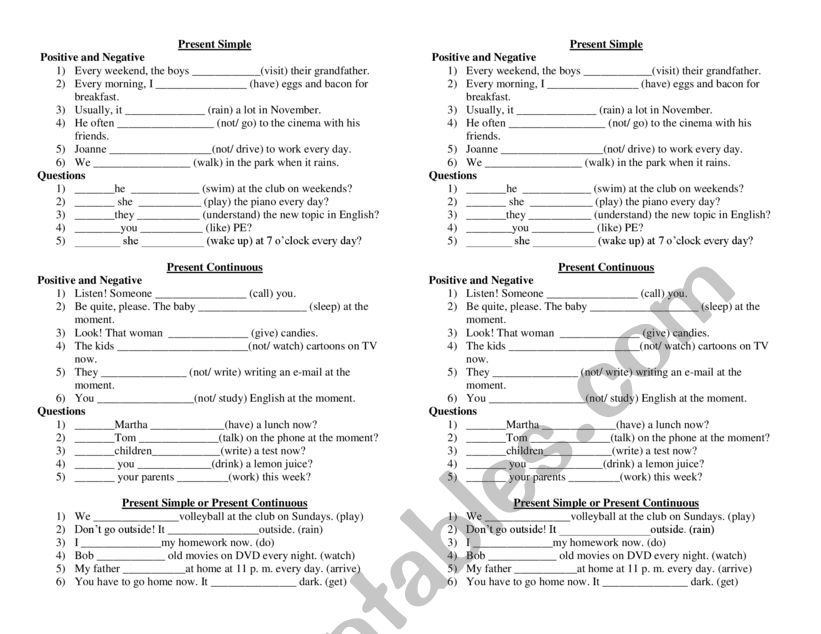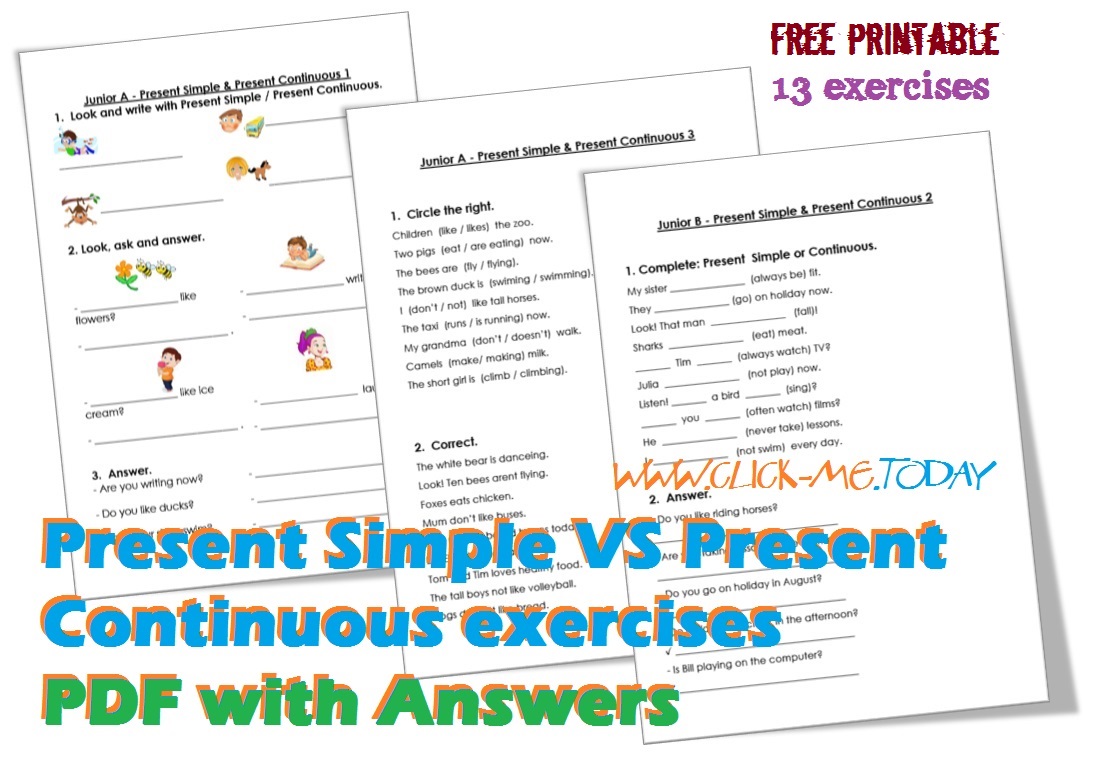
Sprawdzian Present Simple I Present Continuous
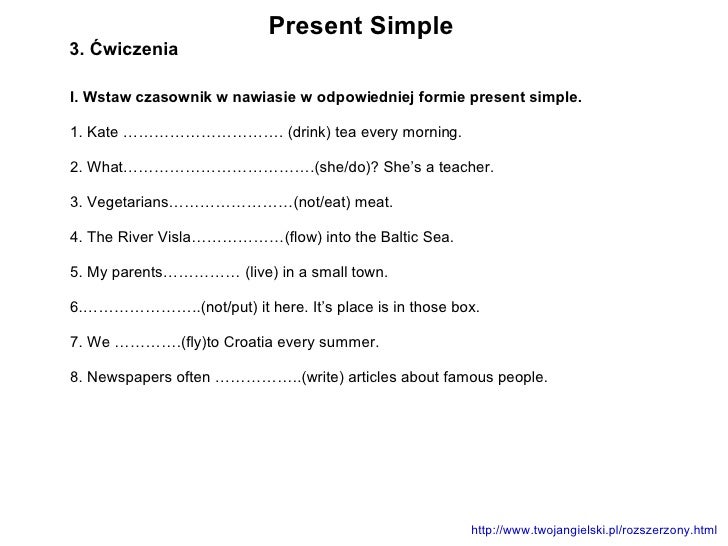
Cześć! Chcesz ogarnąć Present Simple i Present Continuous raz dwa? Super! Zacznijmy od definicji. Najważniejsza rzecz to rozróżnienie ich zastosowania. Present Simple opisuje czynności rutynowe, stany i fakty ogólne. Z kolei Present Continuous mówi o czynnościach dziejących się teraz, w momencie mówienia, lub o planach na najbliższą przyszłość.
Present Simple:
- Czynności rutynowe: I wake up at 7 am every day. (Codziennie wstaję o 7 rano.)
- Stany i fakty: She lives in Warsaw. (Ona mieszka w Warszawie.) The sun rises in the east. (Słońce wschodzi na wschodzie.)
- Słowa kluczowe: always, usually, often, sometimes, rarely, never, every day/week/year.
Present Continuous:
Must Read
- Czynności dziejące się teraz: I am writing this explanation right now. (Właśnie teraz piszę to wyjaśnienie.)
- Plany na przyszłość: We are going to the cinema tonight. (Idziemy dziś wieczorem do kina.)
- Słowa kluczowe: now, at the moment, today, tonight.
Żeby sprawdzić, czy dobrze rozumiesz, wyobraź sobie, że piszesz e-mail do kolegi z zagranicy. Jeśli chcesz opowiedzieć o swoich codziennych nawykach, użyj Present Simple: "I usually drink coffee in the morning." Jeśli natomiast chcesz opisać co robisz w tej chwili, użyj Present Continuous: "I am studying English grammar right now."
Pamiętaj o poprawnej budowie zdań! W Present Simple dla 3 osoby liczby pojedynczej (he/she/it) dodajemy "-s" do czasownika. W Present Continuous potrzebujesz formy czasownika "be" (am/is/are) + czasownik z końcówką "-ing". Ćwicz regularnie, a szybko zobaczysz postępy!