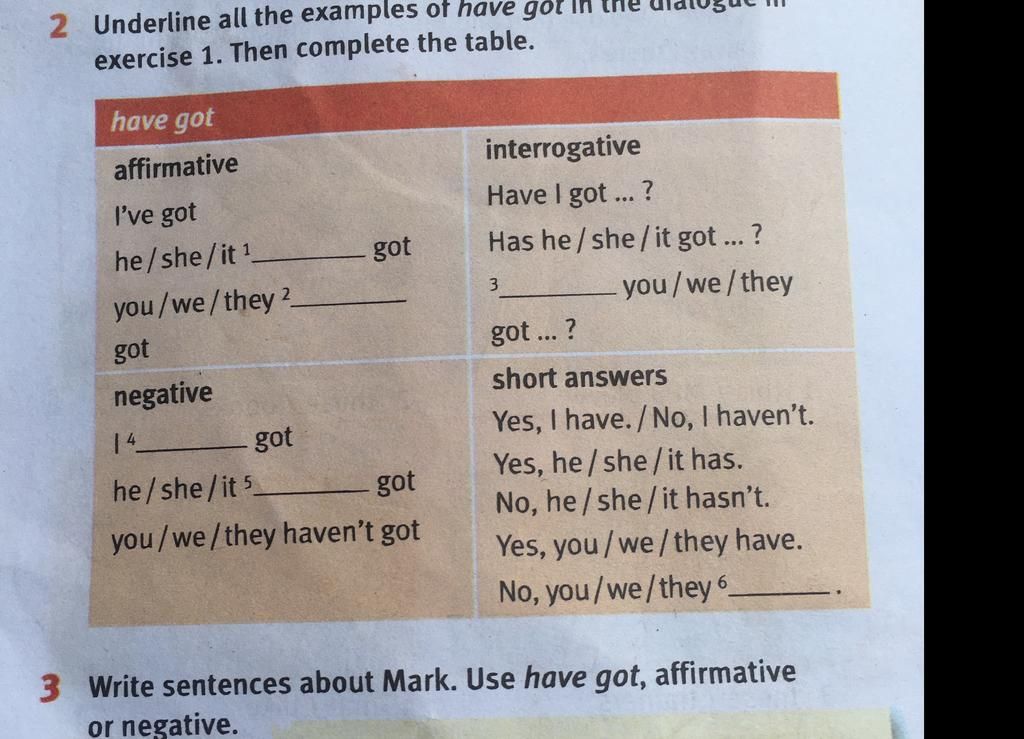
Sprawdzian Z Have Got I Has Got
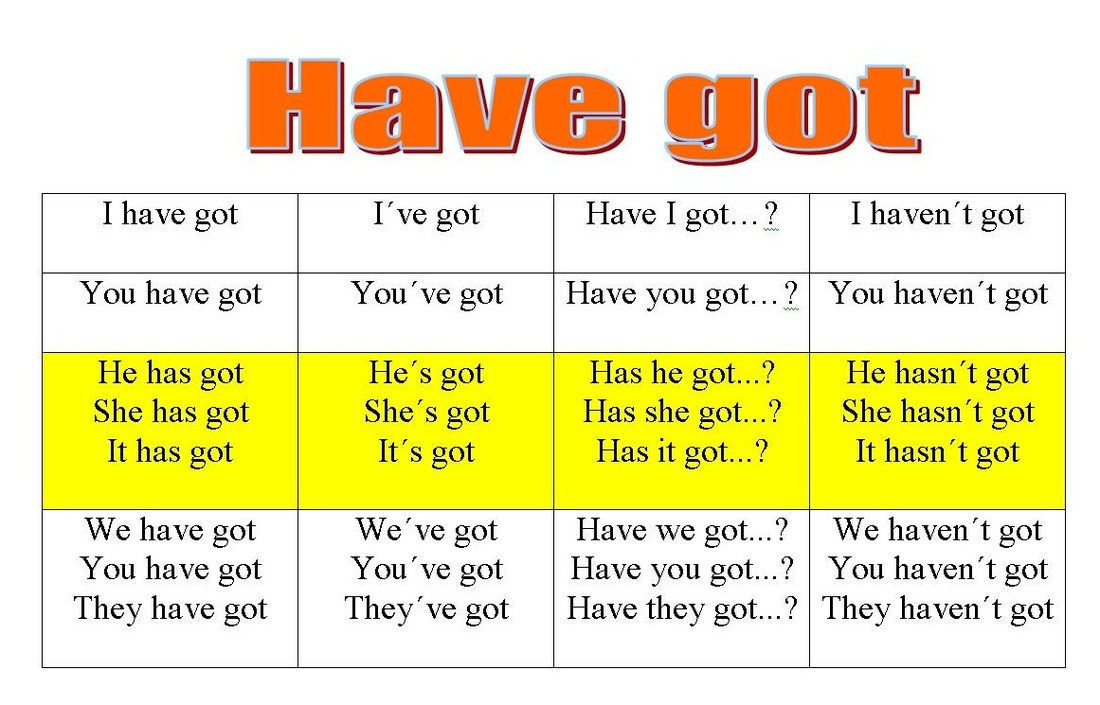
Have got/Has got to angielskie wyrażenie, które oznacza posiadać, mieć. Jest to potoczna forma czasownika have (mieć). Używamy go, aby opisać posiadanie czegoś, relacje rodzinne, choroby lub cechy.
Kiedy używamy have got, a kiedy has got? To proste! Zależy to od osoby, o której mówimy:
- I, You, We, They – Używamy have got.
Przykład: I have got a dog. (Ja mam psa.) They have got a new car. (Oni mają nowy samochód.) - He, She, It – Używamy has got.
Przykład: He has got blue eyes. (On ma niebieskie oczy.) She has got a brother. (Ona ma brata.) It has got a long tail. (To ma długi ogon.)
Skróty: Możemy używać skrótów, aby mówić szybciej:
Must Read
- I have got = I've got
- You have got = You've got
- He has got = He's got
- She has got = She's got
- It has got = It's got
- We have got = We've got
- They have got = They've got
Przeczenia: Aby utworzyć przeczenie, dodajemy not:

- I have not got = I haven't got
- You have not got = You haven't got
- He has not got = He hasn't got
- She has not got = She hasn't got
- It has not got = It hasn't got
- We have not got = We haven't got
- They have not got = They haven't got
Pytania: Aby zadać pytanie, zmieniamy kolejność:
- Have I got...? (Czy ja mam...?)
- Have you got...? (Czy ty masz...?)
- Has he got...? (Czy on ma...?)
- Has she got...? (Czy ona ma...?)
- Has it got...? (Czy to ma...?)
- Have we got...? (Czy my mamy...?)
- Have they got...? (Czy oni mają...?)
Pamiętaj! Have got/has got to potoczna forma. Często w angielskim używa się po prostu have/has.